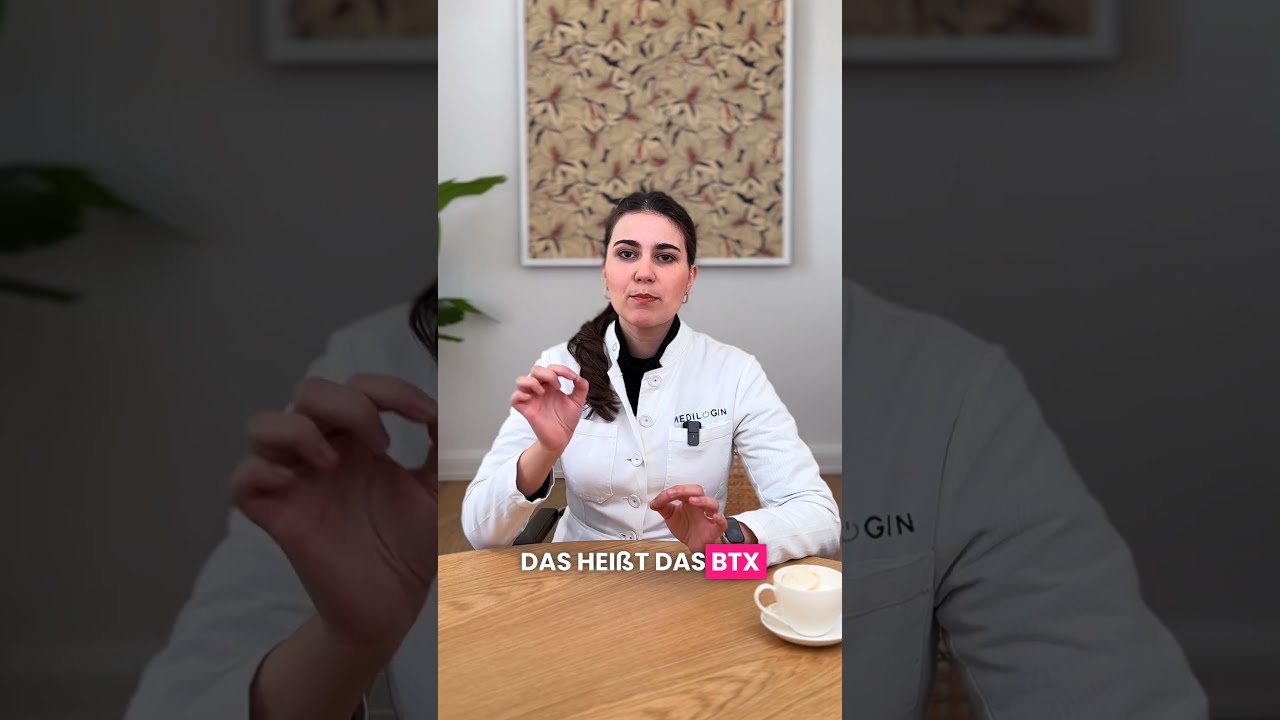
Wedding photos, milestone birthdays, reunions, red carpet moments, even an important job interview, these are the days you want to look awake, smooth, and camera ready without looking “done.” Botox cosmetic can help, but timing is everything. If you schedule too close to your event, you risk visible swelling or eyebrow heaviness. If you go too early, your peak result might fade before it counts. After years of planning pre-event Botox for clients and troubleshooting the edge cases, I’ve learned how to build timelines that respect biology, calendars, and real life.
The simple timeline most people need
For a first-time Botox treatment, the sweet spot for an important event is four to six weeks beforehand. That window gives you time for the product to take full effect, a buffer for any minor bruising to resolve, and enough runway to tweak anything with a light touch up, if needed. If you have a history with Botox and you know your response and longevity, three to four weeks can work well, especially for those who metabolize it more slowly. I still like four weeks, even for regulars, because travel, stress, and last-minute errands tend to compress pre-event plans.
Clients often ask whether a two-week window could work. It can, but it’s not ideal for first timers because there’s less margin for normal variability. At two weeks, Botox results have typically reached steady state, yet if a brow feels heavy or a small asymmetry appears, your injector has less time to adjust. If two weeks is all you have, keep it conservative on forehead dosing and avoid adventurous add-ons like a brand-new lip flip or masseter slimming.
How Botox actually kicks in
Understanding the Botox results timeline helps keep expectations grounded. Botox injections block acetylcholine at the neuromuscular junction, which temporarily relaxes targeted muscles. The visible softening of lines follows a predictable, though not identical, sequence in most people. You usually feel the first changes at day three or four, the effect builds across days five through ten, and most clients see peak results by day 14. After that, results stabilize for several weeks before they slowly decrease. Typical Botox longevity in facial areas runs three to four months, though some people enjoy closer to five, and others, often athletes or very expressive talkers, see two and a half to three.
If you’re comparing brands, the arc is similar for Botox vs Dysport, Xeomin, and Jeuveau. Dysport sometimes seems to “kick” a bit faster for some patients, especially in the glabella (frown lines), which is why a few people choose it when they are on a tighter timeline. The overall Botox effectiveness and duration are influenced by dose, muscle size, metabolism, and injection technique, not just brand.
Pairing the treatment with your event type
Not all special events are the same. A wedding day commands a different strategy than a half-day conference. For brides, grooms, and anyone in hundreds of photos, I like a two-step plan. First, a full Botox session six to eight weeks out to address 11 lines, crow’s feet, a subtle brow lift, and a measured forehead refresh. Second, a light assessment at three to four weeks before the date to tidy anything, like a stubborn tail of a brow or a faint line that survived when you smile. That second appointment is usually quick and precise, not a redo. For groomsmen or bridesmaids who want a touch without a downtime risk, Baby Botox at four weeks can give a natural look that holds through the day and into the honeymoon.
Reunions and big presentations call for a similar approach, though these clients often prioritize looking rested over fully smooth. Here, micro Botox or conservative dosing at four weeks is enough to lessen crow’s feet and soften a furrow without flattening expression. For men considering “Brotox,” minimal units across the frontalis and glabella three to four weeks ahead typically keeps a masculine look, preserves movement, and avoids shiny “overtreated” foreheads on stage or under bright lights.
What to treat, and what to skip close to a deadline
Most of the classic upper face areas are event friendly when timed correctly. The forehead, frown lines, crow’s feet, and a discreet brow lift perform predictably. Small extras like a lip flip can look great but can be risky if brand new, since it changes how your upper lip moves. If you want a lip flip for a wedding or photoshoot, try it a couple of months prior and evaluate how it feels when you smile and sip from a straw. A gummy smile correction also changes your grin mechanics, so it deserves a rehearsal round. Chin dimples and orange peel texture tend to respond nicely and quickly, though a tiny risk of a “heavy” lower lip exists if doses drift, so experienced injection points and technique matter. Neck bands, or platysmal bands, improve well with Botox, but onset can feel subtle and sometimes needs a follow-up tweak.
" width="560" height="315" frameborder="0" allowfullscreen="" >
Masseter slimming for jawline contour takes longer to show visible change. If your special event is in three weeks, this is not the time to start masseter Botox. You may feel bite strength changes within two weeks, but the aesthetic contouring usually reveals itself at six to eight weeks, sometimes longer. For jaw pain or TMJ relief, clients often feel functional benefits at two to four weeks, but the cosmetic result remains gradual. Start this one early if facial slimming is part of your event plan.
Building a pre-event calendar you can actually follow
Calendars fall apart when life intrudes, so I build in cushions. If your event is on a Saturday, aim for your Botox appointment at least four Saturdays prior, not three. If you’re flying for a destination event, try to be finished with injections a week before travel. Flying after Botox is generally safe once any immediate swelling has settled, but travel stress increases the chance of bruising looking more obvious and makes it harder to pop in for a quick touch up.
If you’re adding other procedures, sequencing protects results. Fillers and Botox together can be fine, but you’ll minimize bruising and swelling if fillers come first, then Botox a few days later, or on the same day when the injector staggers areas carefully. Energy devices like IPL, radiofrequency, or microneedling should be placed at least one to two weeks away from Botox depending on the treatment depth, with devices usually done prior. Strong peels deserve two weeks clear of injections. Spray tans should be scheduled after any risk of bruising fades, often three to five days after Botox.
First time with Botox? Plan for discovery
The first time you try Botox before and after results are more about exploration than perfection. You and your injector are learning how your muscles respond, how your expressive style interacts with the treatment, and how your dose translates into duration. Side effects in experienced hands are typically mild: brief redness, pinpoint swelling, and occasionally small bruises or a headache later that day. True downtime is rare. Still, I caution first-time clients not to schedule their very first Botox appointment inside a two-week window of a major event. A three to six week lead is a better first dance.
A common worry is a “frozen” look. That’s a dosing and placement issue, not a Botox inevitability. If you want a natural look with light movement, say so at your Botox consultation. Show your injector where your lines bother you and where you want to keep expression. We can use lower doses or Baby Botox techniques that distribute microdroplets more widely, softening instead of immobilizing. If you are nervous, start small. You can always add a touch up after ten to fourteen days if you want a bit more smoothness.
How to choose a provider when the stakes are high
Experience matters more than marketing. A Botox certified injector with a portfolio of real patients will have learned the small adjustments that avoid heavy eyelids, eyebrow spocking, and asymmetry. Look at Botox reviews with context and scan before and after photos that match your face shape, gender, and age. I prefer injectors who ask about your last Botox session, how long your results lasted, and what you liked or didn’t like. Those questions signal a practitioner willing to tailor. If you find yourself searching “Botox near me” and sifting through promos, remember that technique and safety outweigh any Botox deals or Groupon savings when you have an immovable date and photographs. Reasonable Botox price ranges vary by region and by unit, but a fair price with the right provider often saves you from costly fixes.
What to expect the day of treatment
A Botox appointment rarely takes longer than 20 to 30 minutes, with most of that spent discussing goals, taking photos, cleansing the skin, and marking injection points. The actual injections feel like quick pinches. Icing helps, and most clients are surprised at how manageable it is. Immediately after your Botox procedure or session, tiny blebs may rise where the saline sits under the skin; those flatten within minutes. Makeup can usually be applied after a short wait, though I prefer clients to skip heavy rubbing that day.
You will leave with basic Botox aftercare instructions. Avoid vigorous exercise for the rest of the day, skip saunas or hot yoga, try not to rub or massage the treated areas, and keep your head upright for four hours. These steps reduce the very small risk of the product diffusing where you don’t want it. Normal routines resume the next morning. If bruising appears, it’s usually the size of a freckle or pea and fades in a few days. Arnica and careful concealer work wonders. If you’re getting ready for high-definition cameras, practice your concealer the week before so you are not experimenting on event day.
Touch ups and the art of minor adjustments
I ask clients to check in at the two week mark when results have stabilized. That is the ideal window to fine tune a slightly elevated brow tail or a line that still creases. A touch up is small, often just a few units, and the effect takes hold within a few days. For events, this is why the four to six week timeline is so helpful. You get the first pass, then the polish.
If you are traveling, virtual follow-up with photos also works. Head-on, three-quarter, and profile shots with a neutral face and with expression tell the story. Your injector can often advise whether a touch up is useful or if a perceived asymmetry is simply the way a smile pulls in one direction. Human faces are not perfectly symmetrical, and cameras exaggerate differences.
Natural results on camera
Botox for wrinkles and fine lines behaves differently under flash and daylight. Foreheads that are too smooth can reflect light more than expected, which reads as shine in photos. This is another reason to avoid last-minute high-dose forehead treatments. A modest dose preserves a bit of texture that looks more natural, especially in video. Crow’s feet can be softened without erasing the crinkle Burlington botox that signals a real smile. If you need to choose where to prioritize, focus on the glabella, the 11 lines between the brows. Those lines make people look tired or stressed even when they aren’t, and smoothing them brightens the entire midface.
Men often ask for a strong brow and are wary of a brow that arches. The fix is in the pattern of units, not just the total dose. Your practitioner can balance frontalis and glabellar dosing to keep the brow straight. The same holds for a subtle brow lift in women who want eyelids to look more open. Slightly reducing the pull of the orbicularis oculi at the right points can expose more lid space for makeup without sacrificing warm expression.
Working around common pitfalls
Swelling and bruising are the main short-term side effects, and they are usually minor. Plan to pause supplements that increase bleeding risk, such as fish oil and high-dose vitamin E, for a week prior if your doctor agrees. Many clients also skip ibuprofen or aspirin for several days unless medically necessary, switching to acetaminophen for headaches. If you tend to bruise easily, a schedule that avoids big workouts and alcohol for 24 hours after your Botox treatment can help.
A heavy brow, the classic “weighed down” feeling, comes from overdosing the frontalis or poor balance between forehead and glabellar injections. This is more likely if you chase every forehead line to zero. For events, accept a slight softening of lines rather than total erasure. If heaviness occurs and you still have time before your event, your injector can sometimes relieve it with small injections that lift the lateral brow by relaxing a counter-pulling muscle. It is a finesse move, so lean on a Botox specialist or experienced Botox nurse injector.
Rarely, eyelid ptosis appears if product diffuses into the levator muscle. Time and patience fix it, though eyedrops that stimulate Müller’s muscle can give a temporary lift. This is another reason to avoid intense massage, facials, or forehead rubbing right after your https://www.localfeatured.com/directory/listingdisplay.aspx?lid=132164 session.
How Botox fits with fillers and other treatments
People often pair Botox with fillers around events, since fillers replace lost volume in cheeks, lips, and nasolabial folds. The timing is more sensitive. Swelling after lip filler can last a few days, sometimes a week. For cameras and close-ups, one to two weeks is the minimum buffer after lip filling. Cheek filler tends to settle faster and can be done closer to the two-week line without much risk. If you are considering Botox vs fillers for a particular wrinkle, think about the cause. Botox treats dynamic lines from muscle movement. Fillers soften static lines that remain even when the face rests. Many event plans integrate both.
Energy devices and peels need their own schedules. Light IPL can be done a couple of weeks before, while deeper treatments should be completed a month or more prior to avoid residual redness or flaking. Microneedling pairs nicely when done earlier, as the collagen remodeling continues quietly behind the scenes.
Cost, promotions, and value
A common question is how to find Botox savings without compromising safety. Clinics may offer Botox packages, memberships, or a loyalty program that reduces per-unit costs. Botox specials, deals, and promotions often circulate seasonally, but the best savings come from a long-term relationship with a Botox provider who knows your face and goals. I advise caution with deep-discount offers that prioritize volume over consultation time. A thorough Botox consultation that maps your muscles and expression, and a measured dose plan, usually yields better Botox results and fewer touch ups. Keep in mind that Botox cost is a function of units used and regional pricing. The range is wide, and a fair Botox price is the one that aligns with your plan, your injector’s expertise, and the time invested in you.
Insurance does not cover cosmetic Botox. Medical uses like chronic migraine or hyperhidrosis may have coverage pathways, but those require specific diagnoses and dosing patterns that differ from cosmetic plans. Financing and payment plan options exist at many clinics if you prefer to spread out costs.
Safety, eligibility, and smart expectations
Botox has a long safety record with FDA approval for cosmetic use in the glabella, crow’s feet, and forehead, alongside several medical indications. That said, not everyone is an ideal candidate at every moment. Pregnancy and breastfeeding are standard exclusions. Active skin infections at the injection site, certain neuromuscular conditions, and allergies to any toxin component also exclude treatment. A good Botox doctor or practitioner will review your medical history, medications, and prior responses before proceeding. If you are needle shy, topical anesthetic and ice help. If you have an event looming and anxiety is high, ask to split the plan into staged visits, which can lower stress and let you see progression.
Set expectations by thinking in ranges. Most people see three to four months of benefit, some less, a lucky few more. Maintenance schedules can then be built around your calendar. If you know your big event is in June and you typically get four months of mileage, consider a full treatment in April with a tiny touch up in late May only if needed. This approach maximizes Botox longevity in the window that matters.
A few real-world timelines that work
- The classic wedding plan: First Botox appointment at eight weeks out to smooth 11 lines, crow’s feet, and a subtle brow lift. Check in at four weeks out for a light touch up if needed. Keep lips and masseters off the table unless already familiar. Final week is reserved for lashes, brows, and rehearsal dinners, not injections. The last-minute keynote: You booked the stage two weeks from now. Conservative Botox across glabella and lateral crow’s feet with careful forehead dosing to avoid shine. Skip new areas. A follow-up the day before is not useful, so build confidence with practice lighting and powder rather than chase micro-adjustments.
For those attending a reunion in a month, micro Botox or Baby Botox at three to four weeks is enough to look rested. For a long vacation with lots of photos, schedule four to six weeks ahead so the first week shows peak results and the last week still holds.
Common myths worth clearing
Botox does not lift the whole face. It relaxes muscles to reduce lines and subtly raise brows by reducing downward pull. It does not fill hollows, and it cannot fix skin laxity. It is not permanent. With repeated treatments, some lines improve at baseline because the skin has time to recover without constant creasing. Preventative Botox can delay the etching of lines in expressive faces, but “preventative” still means measured dosing, not aggressive schedules. Brotox is not a different product, just Botox for men, usually with pattern adjustments that fit male anatomy and goals.
Botox does not require real downtime, but that does not mean zero planning. A small bruise on the eyelid margin can be hard to conceal in high-definition footage, which is why those buffer weeks are so valuable. And while there are Botox alternatives like Dysport, Xeomin, and Jeuveau, swapping brands close to a big event is not the time to experiment unless you already know your response.
Troubleshooting when timing goes sideways
Life happens. If you had Botox a week before the event and notice a minor asymmetry at day seven, it often continues to settle by day ten to fourteen. Strategic hairstyling and brow grooming can distract the eye more than you think, and photo angles make an outsized difference. If a bruise appears, color-correct with a peach or orange concealer under your usual foundation. If heaviness bothers you, keep lids light and mascara focused at the outer corners to lift the gaze. These small tactics make you look balanced even while the Botox is still settling.
If you missed the window altogether, focus on sleep, hydration, and skin prep. A light chemical exfoliation two weeks out brightens texture. The night before, avoid salty foods and late alcohol which can make you puffy on camera. Good lighting and a matte primer do more than a rushed injection that you might regret.
Final guidance that respects your date
Successful Botox for special events comes down to honest timelines, conservative dosing for new areas, and clear communication with a skilled injector. Book earlier than you think you need, especially if it is your first time. Give yourself a two week stabilization zone, and keep the last week chore-free for your face. When done thoughtfully, Botox therapy can make you look like you slept eight hours for a month straight, exactly when you need it most.
If you still have Botox questions, bring them to your consultation. Ask about dosing strategy, expected Botox results timeline, aftercare, and contingency plans for touch ups. A good injector will welcome those questions and tailor a plan that fits your event, your face, and your schedule. That combination, more than any one technique, is what delivers natural, confident photos and the calm that comes from knowing you planned well.